bloodteethandflame
A life in threes
Category: food for thought
November 18, 2016
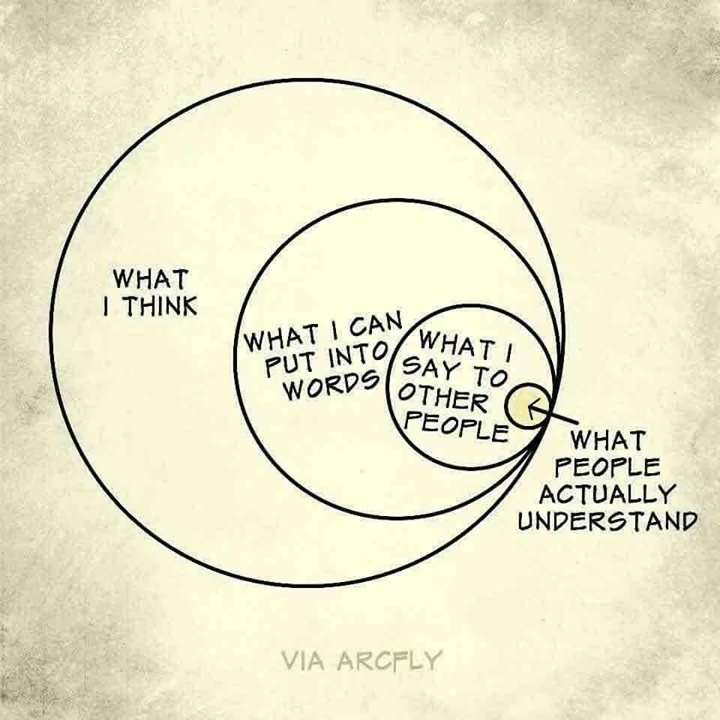
Diagram.
 :
:
This handy diagram explains everything concerning what I experience on a daily basis whenever I attempt to communicate my thoughts to others, let alone when I try to write posts.
O.o
November 15, 2016
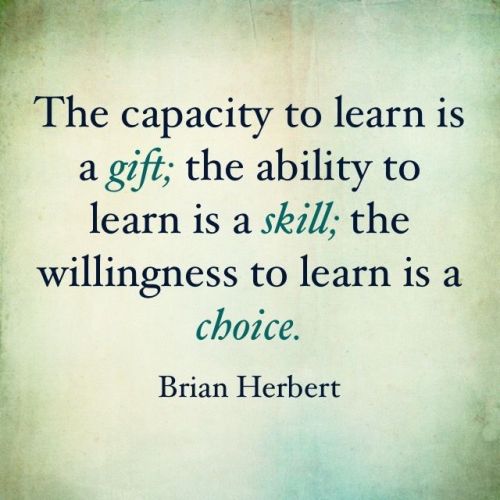
Thought for today.
Yesterday was a difficult day.
I was very angry and insecure and thinking about the past, as the date – 14 November- has marked a reminder of a horrible low point in regards to my personal history in these last 5 years*
I was going to post a link for the curious…
but then I thought better of it, simply because it doesn’t serve any purpose for me to dredge shit up now, does it?
And then, this morning, this quote came across my media feed:

Thanks, Universe.
~~~~
*Though, this time of year – in general – has always been a shitty time of year for me and my emotions.
Meanwhile, the Thought365 project has given me the gentle impetus to change that, so I thought I’d try it.
September 29, 2016
Marriage.
This post has been knocking around in my head all day.
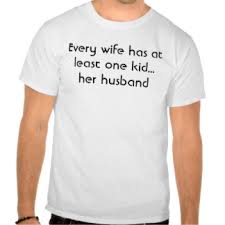
The other day, someone – whom I would have considered a friend, unfortunately – made some rather pointed commentary about ‘the feminist struggle’ as it concerned her daughter’s experience with men. And in her comments, she relied on a rather tired joke about marriage that concerned how men -including her own husband – were hopeless and/or helpless to perform certain household chores without assistance or intervention from the women in their lives.
She considers herself a feminist, she says.
She believes in gender equality, she insists.
She loves and respects her husband, she claims.
And yet, she doesn’t see how this belief that she holds about men’s ‘inherent incompetence’ could be seen as an unhealthy, if not disrespectful belief about men.
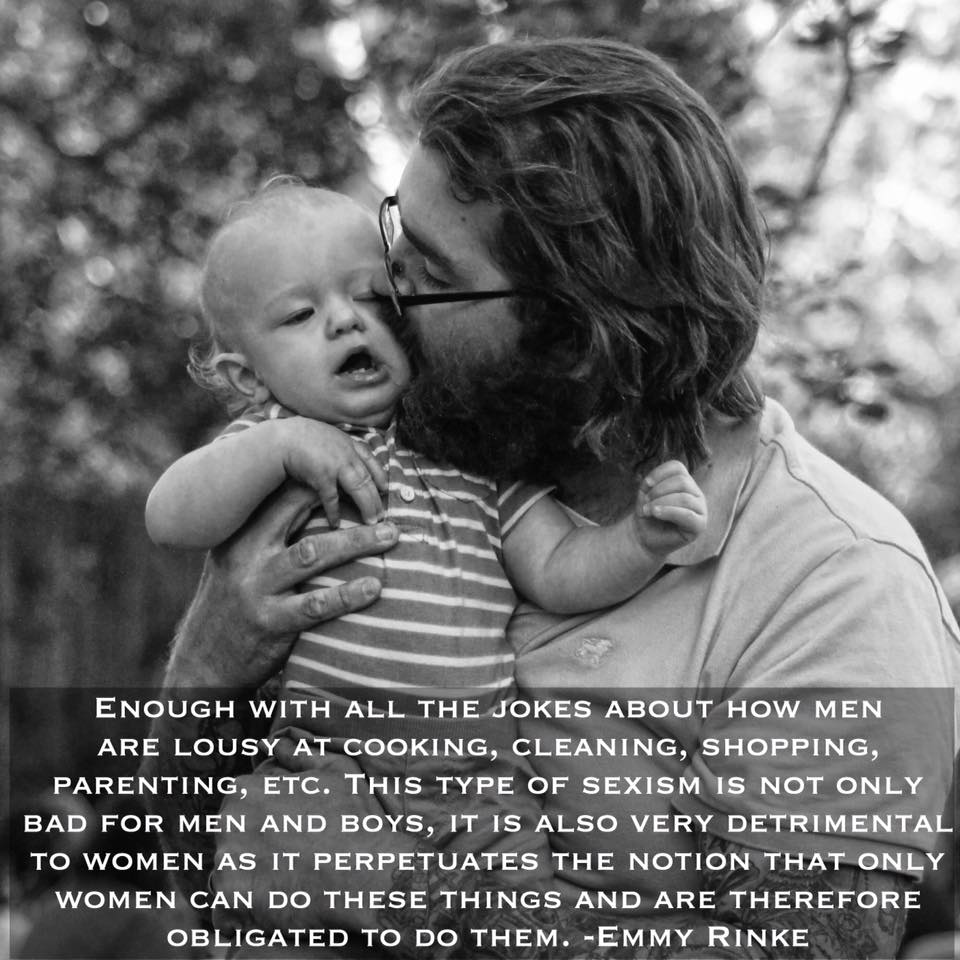
This is not to say that I have never found myself engaging in thoughts and behavior that play into traditional marital stereotypes – hell, I’m living what is essentially a marital stereotype – but I felt a bit dismayed to consider that she believed that her husband needed her in ways that she didn’t need him, and that, she believed, was the essence that made their relationship such a healthy, stable marriage.
Her husband was emotionally dependent on her, she said, and that was the secret to their happy marriage. She wants him in her life, but he needs her in his, and she prefers him that way. Dependent. Terrified to be without her. Checking in constantly to make sure that he’d done something right.
And then to encourage her daughter to seek such a man for a husband.
I find that a bit disturbing.
I wondered if she’d ever considered that feminism might be a belief that both genders deserve respectful treatment. That we – as a society of human beings – need to recognize that there are imbalances in the current society that are reinforced by attitudes regarding gender, and that both genders will benefit from any changes made to those attitudes. That a change in society begins with a change in attitude. Change the attitude, change the belief, change the world.
But her attitude – that men are essentially helpless or hopeless – is exactly the sort of limiting attitude that, if turned about, would likely be deemed misogyny.
Meanwhile, I found her encouragement to her daughter to find a ‘needy’ man disturbing in that the very qualities that she valued in her ‘happy marriage’ could also be applied to a dysfunctional, if not emotionally abusive marriage.
Misandry. It’s a thing.
Perhaps this bothers me so much because I am the mother of two sons.
Or even more so, I am fighting against my own upbringing and my own issues with being emotionally abused that I cannot stomach someone glorifying such unhealthy qualities in a marriage as ‘happy’, when if the roles were reversed, those same ‘feminist’ friends of hers would be moving heaven and earth to convince her to get the fsck out.
September 11, 2016
The thoughts I have today.
I cannot believe that it has been 15 years.
September 11th 2001 was a day that changed my world in many ways that I will never forget.
And my memories of this particular day highlight many of the personal changes that my life has gone through since.
My oldest son, N, was my only child.
While N had always been an insatiably curious kid, what I remember most about the few months before the September 11th attack was the frequent conversations that we had that seemed centered upon his newfound life goal to become a soldier, and later, a police officer.
It had become obvious that he had a deep, intuitive respect for those who helped others, as well as those who were willing to put their lives on the line to defend what was ‘right’ and ‘good’ and ‘just.’ For N, it wasn’t just the idea of being a hero, it was the concept that there was a profound meaning to be found in service to others. He admired people in his world who felt that it was important to stand up for others, and he wanted to be one of those people. He saw the future of accomplishing this ideal by joining the military, and he had a deep respect and admiration for those serving – or who had served – in the military.
So, as you may imagine, the highlight of his summer in 2001 was attending our local Memorial Day parade.
I remember him begging me to allow him to stand as close as he could get to the front of the crowd so that he would be able to see those who marched in our local post contingents from the American Legion and the VFW. He spent the next forty-five minutes waving and saluting all the soldiers, sailors and airmen. I watched him sit with quiet, rapt attention during all of the speeches, prayers, and moments of silence that followed those parades. But he had been the most eager and honored to shake the hands of so many local veterans and politicians that day, he’d been barely able to contain himself.
It was a day full of bright spots despite the atmosphere of respect and remembrance.
I remember most of all, the elderly WWII veteran who stood at the podium and spoke of the ultimate and extraordinary sacrifice that his brethren had made in service to their country, and how we as a society must honor them, and we must never forget them. While I can heartily agree with that sentiment, I found myself taken aback by his next point, and his next action, wherein this veteran suddenly pounded the podium, as if in anger or frustration, that ‘young people these days do not understand the price of freedom. People today do not know the meaning of honor or sacrifice, and perhaps we need a war to remind them. Damn your innocence!’
I was shocked and dismayed by the blunt thoughtlessness of this veteran’s comment that day, and even today, I am haunted by that sentiment – as if the only way that society can progress towards understanding honor and sacrifice is through experiencing grief at the loss of human lives, and the damning of youth and innocence.
I do not know what happened to that angry WWII veteran, but I do know the focus of the conversations that I had with my son revolved around that man’s words that evening. My son asked me if America should feel badly that we are not at war. My son asked me if I knew what going to war felt like, if I knew how war changes things. And I was honest with him, and I told him that we had been lucky thusfar, that America was not at war, and it seemed a foolish thing for a soldier – present or former – to wish that a war would occur. I told him that that veteran was likely just upset because he had likely seen and experienced a lot of terrible things during the war in which he served.
~~~
How hauntingly ironic that 106 days later, the world changed.
My son was 7 ½ years old.
~~~
And in the intervening years, my son has gotten to see what America looks like when it goes to war. He has listened to the debates and he has known several soldiers (older relatives and family friends) who have gone to fight, defend, and protect others in the Middle East.
He has seen how his world, and the world outside of us, has changed in innumerable ways.
My son did not become a soldier. He had developed other personal life-goals in the meantime between then and now.
But today, I cannot help but think – likely somewhat melodramatically – have our young people learned enough about the price of freedom?
Do we as a people know the meaning of honor and sacrifice yet?
August 24, 2016
Gold.
“At some point in time, I was a new thing. I was a thing that had not been hurt, had not been beaten, had not been cast out, had not been rejected. Maybe it was only for a day or two (or maybe more) but I dare to think that, once upon a time, I was even loved wholly and completely, if even for a moment.
We all start this way: new. We all start with our hearts in tact, our spirits strong, our connection to soul and self: solid. We start with our ten fingers and ten toes and we hold that newness for as long as we can. Or for as long as life lets us….” – from Meadow DeVor’s latest post.
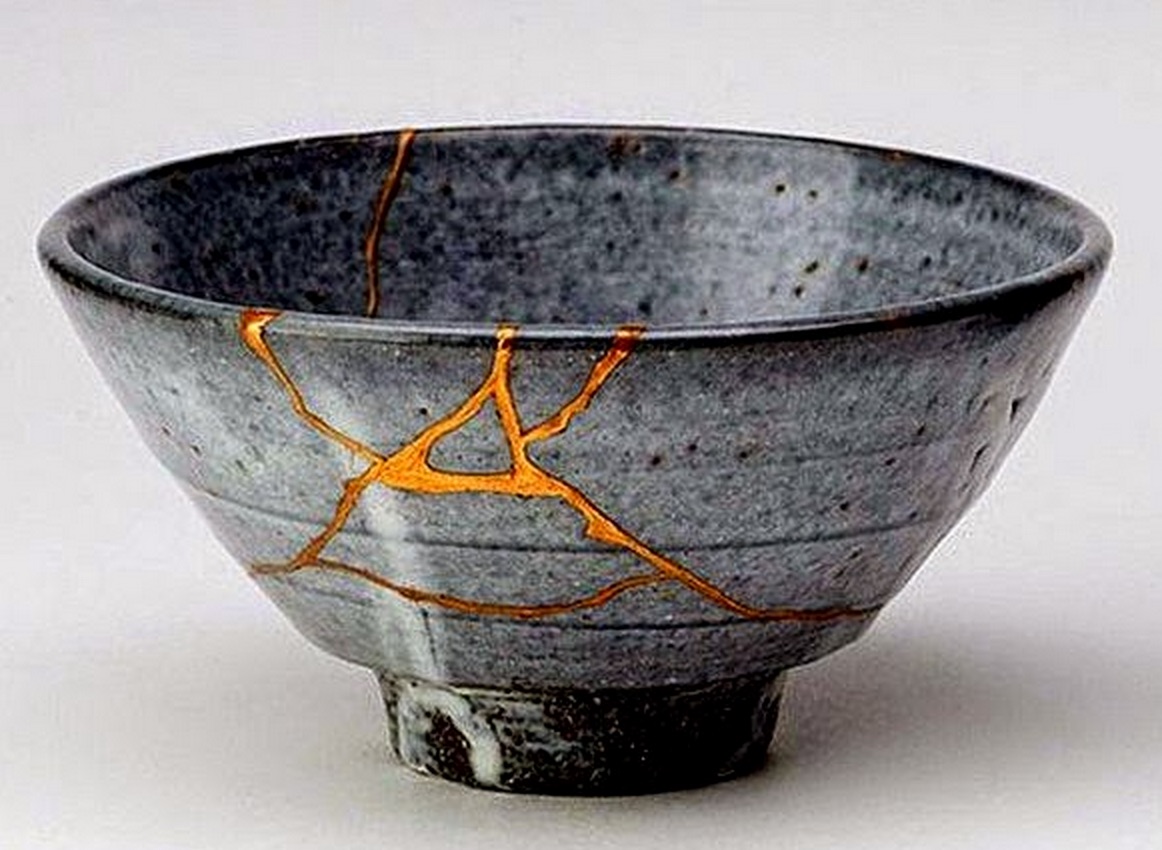
The above quote is taken from today’s incredibly powerful post from Meadow Devor concerning the Japanese artisan practice of kintsugi (otherwise known Kintsukuroi :(金繕い) [Japanese: golden repair] – the artistic method of repairing broken ceramic vessels with lacquers imbued with gold, silver or platinum…
And how kintsukuroi can be seen as a metaphor for spiritual self-repair and moving beyond trauma toward healing and wholeness.
 bloodteethandflame